Resources
Recordings and guidance, in one place.
Webinar recordings and application material, collected so you do not have to hunt through social media for them.

Resources
Webinar recordings and application material, collected so you do not have to hunt through social media for them.
Guidance
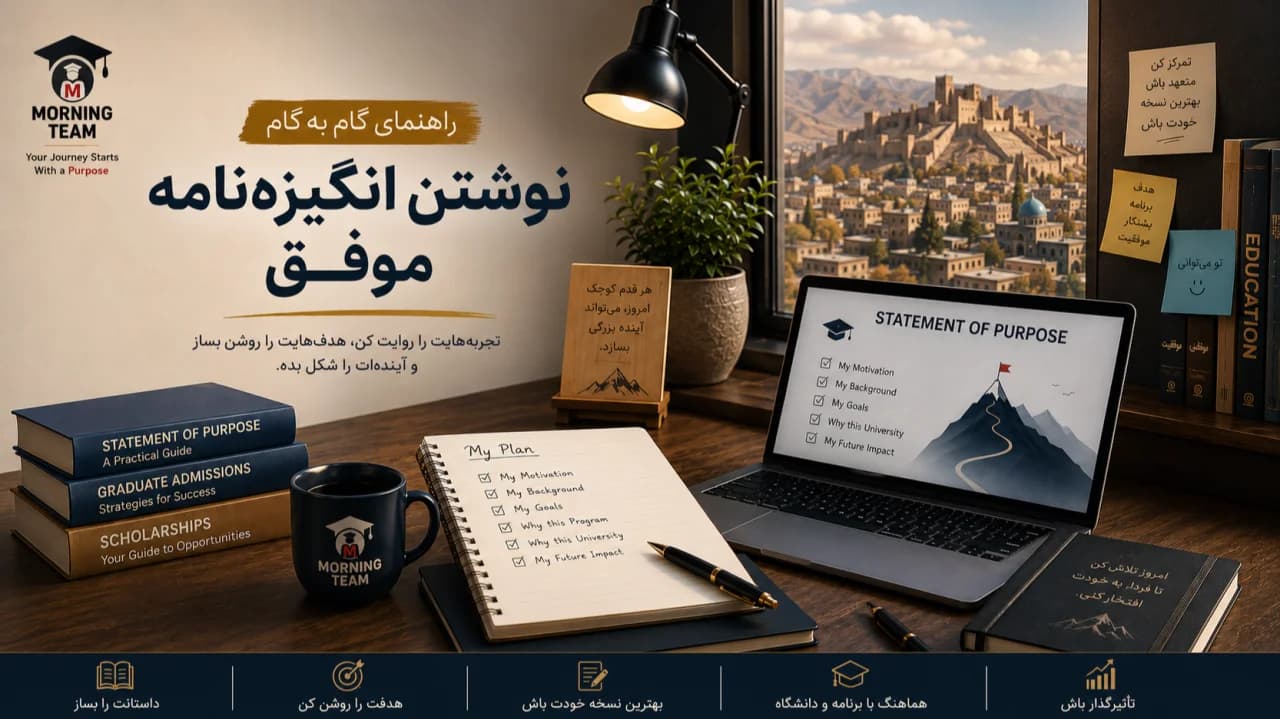
A Step-by-Step Guide to Writing a Strong Motivation Letter
When a university admissions committee or scholarship selection panel reads your motivation letter, they are not simply looking for a list of grades, qualifications, or work experiences. They want to understand who you are, why you have chosen this path, and why you believe the program can help shape your academic and professional future.
That is why the motivation letter is one of the most important documents in your application. A strong motivation letter does not simply describe your past; it shows how your past experiences have prepared you for future opportunities.
If you want to write a motivation letter that is both professional and memorable, the following steps can help guide you.
✅ Step 1: Know the University and Program Before You Start Writing
Many applicants begin writing their motivation letter with the very first sentence. However, some of the most important work should happen before you start writing.
First:
Read the official university and scholarship guidelines carefully.
Check the required word or page limit.
Find out exactly what questions or topics you are expected to address.
Review the selection or evaluation criteria, if available.
Every university and program has its own values, priorities, and expectations. The better you understand them, the more effectively you can tailor your motivation letter to the program.
✅ Step 2: Reflect on Your Experiences
Before writing, take some time to reflect on your journey and ask yourself:
What experiences have brought me to this point?
Make a list of relevant:
Academic experiences
Projects and research
Work or internship experiences
Volunteer activities
Leadership or management responsibilities
Achievements and awards
Professional or technical skills
However, do not simply list these experiences. Ask yourself:
What did I learn from this experience?
How did I grow as a result?
How is this experience connected to the field I want to study?
Your answers will help you build the personal story behind your motivation letter.
✅ Step 3: Clearly Explain Your Motivation
The selection committee wants to understand:
Why have you chosen this field?
Why have you decided to pursue further education at this stage?
Why have you chosen this particular program or university?
What are your plans after completing your studies?
The clearer and more logical your answers are, the more convincing your motivation letter will be.
If you are applying for a scholarship, do not focus only on your financial need. Explain how this opportunity will help you achieve your academic and professional goals, and how the knowledge and experience you gain could eventually benefit your community, country, or professional field.
✅ Step 4: Show Why You Chose This Program
One of the most common mistakes applicants make is sending essentially the same motivation letter to every university, changing only the university or program name.
An admissions committee can usually recognize this.
Instead, show that you have genuinely researched the program. You can mention relevant aspects such as:
Curriculum
Professors
Research groups
Laboratories
Research opportunities
Academic facilities
The university's academic strengths and values
Then explain how these features connect to your interests and goals.
For example, if a professor or research group is working in an area related to your interests, explain why that research is relevant to your academic development. The goal is not simply to mention these features, but to show why they matter to your specific plans.
✅ Step 5: Tell the Story of Your Growth, Not Just Your Achievements
Almost every applicant will talk about their achievements. What can make your motivation letter different is how you explain the experiences behind those achievements.
Instead of simply writing:
“I participated in several research projects.”
Explain:
What role did you play?
What challenges did you face?
What skills did you develop?
How did the experience change your perspective?
The selection committee is often more interested in how your experiences contributed to your academic and personal growth than in the number of activities you have completed.
✅ Step 6: Don't Just Make Claims—Provide Evidence
Instead of writing:
“I am responsible, hardworking, and passionate about research.”
Give a real example that demonstrates these qualities.
For example, you could mention:
A project you successfully completed
A responsibility you took on
Research you conducted
A problem you identified and solved
A situation where you demonstrated leadership or persistence
When your experiences provide the evidence, you do not need to repeatedly describe yourself with positive adjectives.
✅ Step 7: Remember That a Motivation Letter Is Not Another CV
Your CV shows what you have done.
Your motivation letter should explain:
Why those experiences were important
What you learned from them
How they prepared you for the next stage
Why you are now ready to continue this journey
If your motivation letter simply repeats the information already listed in your CV, you are missing an important opportunity to tell the committee the story behind your experiences.
✅ Step 8: Keep a Clear Structure
A strong motivation letter should have a clear and logical structure. A simple three-part structure can work well:
Introduction:
Briefly introduce yourself and explain your main motivation for applying.
Body:
Discuss your relevant experiences, skills, academic interests, goals, and reasons for choosing the specific program.
Conclusion:
Briefly reinforce your motivation, readiness, and commitment to the program, and end on a positive and professional note.
The different sections should connect naturally so that the reader can easily follow your journey from past experiences to present motivation and future goals.
✅ Step 9: Write Clearly, Naturally, and Honestly
A strong motivation letter does not need complicated vocabulary or impressive-sounding sentences.
Try to:
Write formally but naturally.
Avoid very long and complicated sentences.
Avoid exaggeration and overstatement.
Avoid common clichés and generic statements.
Keep your writing authentic and personal.
A genuine and honest story is usually more effective than language that sounds impressive but does not reflect who you really are.
✅ Step 10: Review and Revise Multiple Times
Very few motivation letters are ready to submit after the first draft.
After finishing your draft:
Read it several times carefully.
Correct grammar, spelling, and writing errors.
Check that your ideas are clear and well connected.
Make sure every paragraph contributes something useful.
Ask someone experienced to review it and provide feedback.
If possible, leave it for a day or two and review it again with fresh eyes.
You will often notice new areas for improvement when you return to the letter after some time.
A Few Tips That Can Make a Difference
1. Authenticity Is More Valuable Than Perfection
You do not need an extraordinary story. What matters is presenting your real experiences honestly and purposefully.
2. Quality Matters More Than Quantity
Instead of mentioning dozens of activities, focus on a few meaningful experiences and explain what you learned from them and how they influenced your development.
3. Tailor Your Motivation Letter to Each Program
Each program has different priorities and opportunities. Show that you have chosen the program intentionally rather than sending the same generic letter everywhere.
4. Learn From Successful Examples—Don't Copy Them
Sample motivation letters can help you understand structure, organization, and tone. However, never copy someone else's story or wording.
The strongest motivation letter is one that genuinely reflects your own personality, experiences, goals, and reasons for applying.
Final Thoughts
Writing a strong motivation letter is not simply about putting together a few impressive sentences. It is an opportunity to tell the selection committee the story of your academic journey, experiences, motivation, goals, and the future you want to build.
The more authentic, coherent, evidence-based, and specifically tailored your motivation letter is to the program or scholarship, the stronger your application can become.
If you need support preparing a professional motivation letter, CV, recommendation letter, or other application documents, you can contact Morning Team through our WhatsApp channel.
If you found this guide useful, save it for later and share it with friends who are preparing for university admissions or scholarship applications.